On systems
The systems people live inside.
Most behavior is not chosen. It is shaped by the room the person is standing in.
The room
If you want to change a person’s behavior, the first place to look is not the person. It is the room. The incentives, the defaults, the social weather, the time pressure, the seating arrangement, the screens within reach. Behavior is downstream of environment more often than we like to admit.
This is uncomfortable because it threatens the story we like to tell about ourselves, that we are the authors of our days. We are, sometimes. We are also responding, almost continuously, to the architecture of the rooms we step into.
A team that ships slowly does not always have slow people in it. A meeting that loses its point does not always have unfocused minds in it. A culture that resists honesty does not always have dishonest people in it. The architecture is doing most of the work, and the people are doing most of the explaining.
The leverage point is structural. Change the room and the behavior changes almost on its own. Try to change the behavior without changing the room and you will spend a great deal of effort to end up, eventually, in the same place.
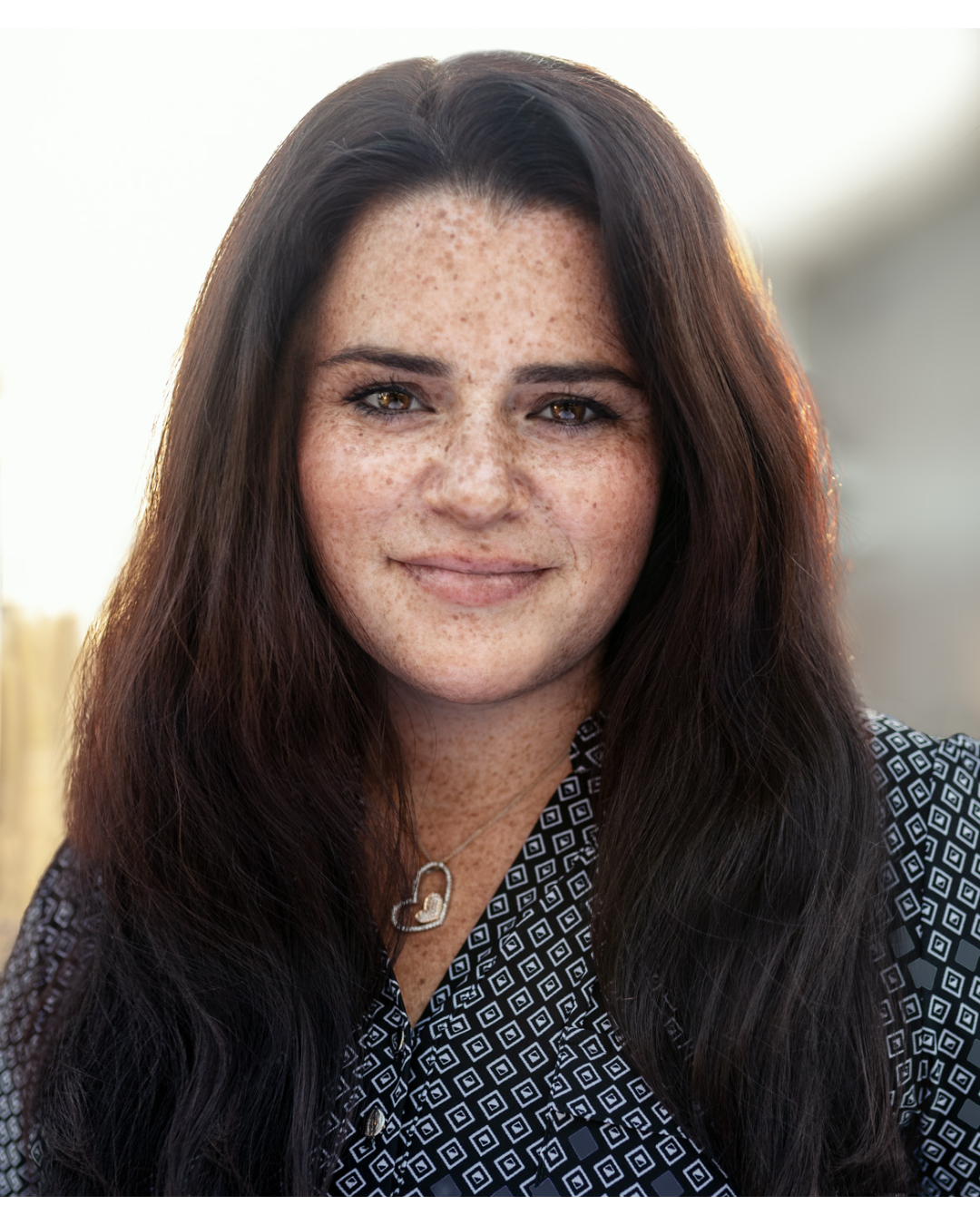
Lindsay Freezman
Writer and strategist working at the intersection of psychology, communication, and artificial intelligence.
Filed under On systems
Next essay: What attention actually isContinue reading by email.
New essays delivered occasionally. Quiet, infrequent, well written.