On communication
The sentence underneath the sentence.
Most conversations have two layers. Real communication happens in the second.
Two layers
Every conversation is two conversations. There is the one being spoken, words, facts, requests, agreements. And there is the one being communicated underneath, the part about what the speaker is hoping, fearing, defending, or asking for permission to want.
People who are good at communication are not better at the top layer. They are better at hearing the bottom one.
Most of the time, when a conversation goes wrong, it is not because the words were wrong. It is because the response was to the top sentence when the real sentence was underneath. The colleague who says “I don’t care, you decide” is not asking you to decide. The partner who says “It’s fine” is not telling you it is fine. The leader who asks “How are we doing on the timeline” is sometimes asking about the timeline and sometimes asking whether they can trust you.
You cannot answer a question you have not yet heard.
The skill is not telepathy. It is patience, the willingness to slow the conversation down by half a beat, to ask one more question before answering, to notice the gap between what was said and what is actually moving in the room. The gap is where the real conversation is.
Communication is not a transmission problem. It is an attention problem. And attention, like everything else, is trainable.
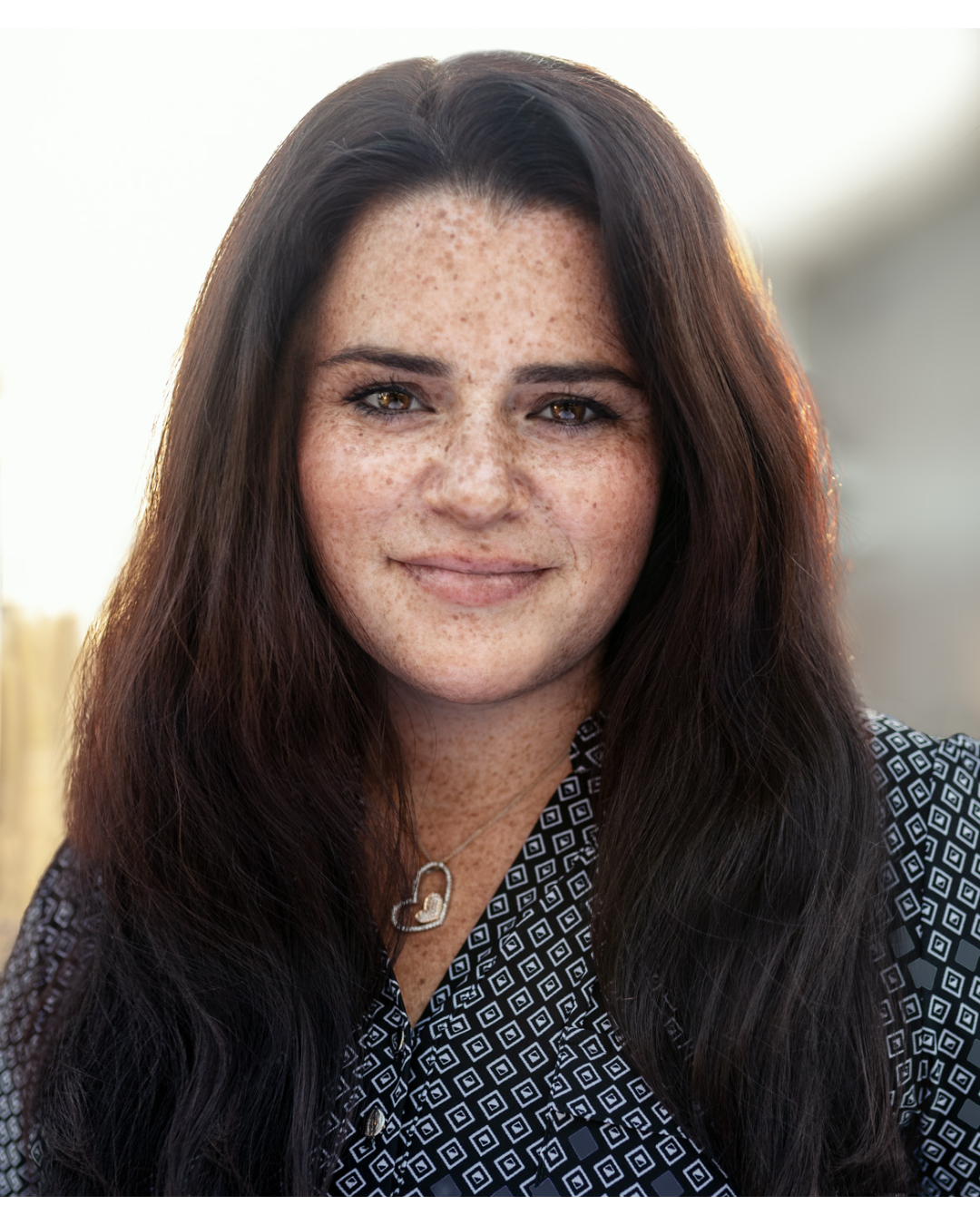
Lindsay Freezman
Writer and strategist working at the intersection of psychology, communication, and artificial intelligence.
Filed under On communication
Next essay: The systems people live insideContinue reading by email.
New essays delivered occasionally. Quiet, infrequent, well written.